
Table of Contents
- Why Summer Storms Can Damage Decks
- How Different Deck Materials Respond to Summer Storms
- Signs of Water Damage
- Check for Loose Hardware
- Look for Structural Movement
- Inspect for Hail and Impact Damage
- Watch for Mold and Mildew Growth
- Evaluate Your Deck’s Finish
- Don’t Forget Surrounding Trees
- Preventive Maintenance Tips
- Protect Your Outdoor Investment
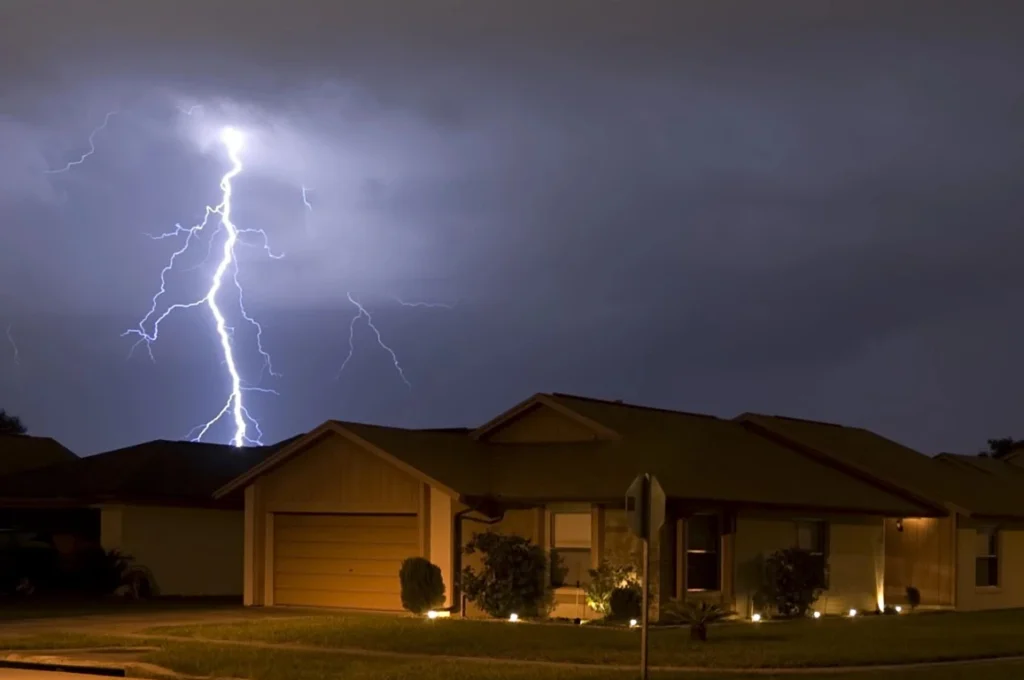
Long summer days mean more time spent relaxing and hosting outdoor gatherings on your deck. However, warmer months also bring thunderstorms, heavy rain, high winds, hail, and intense sunlight, all of which can take a toll on your outdoor living space.
Below, we will break down how summer weather affects your deck to help you identify problems early and protect your investment.
Why Summer Storms Can Damage Decks
Decks are exposed to the elements year-round, but summer storms often combine multiple threats at once. Heavy rainfall can saturate wood and cause moisture-related issues (such as mold and rot), while strong winds can loosen fasteners, lift floorboards, or damage railings. Hail can dent composite materials, chip paint, and damage wood surfaces, and repeated cycles of wet and dry weather can accelerate wear and deterioration.
Scheduling regular inspections after major storms can help keep small issues from becoming costly repairs.
How Different Deck Materials Respond to Summer Storms
Wood Decks — Natural wood decks are especially susceptible to moisture absorption. Extended exposure to rain and humidity can lead to swelling, warping, cracking, and rot if protective sealants are not maintained.
Composite Decks — Composite decking generally resists moisture better than wood, but it’s not immune to storm damage. Hail can leave dents, and prolonged standing water can stain or affect the deck’s appearance.
PVC Decks — PVC decking offers excellent moisture resistance and is less likely to suffer from water-related damage. However, severe hail impact and fallen branches can still cause damage.
Signs of Water Damage
Water is one of the most common causes of deck deterioration. After summer storms, check your deck for soft or spongy boards, standing water, poor drainage, discoloration or staining, mold or mildew growth, or warped, cracked, or split boards.
When moisture remains trapped in decking materials, it can lead to rot, structural weakening, and surface damage over time.
Check for Loose Hardware
Strong winds and fluctuating temperatures can cause deck components to shift and become unstable. After severe weather, examine scews and nails, bolts and brackets, railings and balusters, and stair attachments.
Loose hardware can compromise the safety and stability of your deck. Tighten or replace damaged fasteners promptly to help maintain structural integrity.
Look for Structural Movement
Heavy summer storms may place significant stress on deck framing and support systems. Watch for sagging sections, uneven deck boards, wobbly railings, shifting stairs, and posts that appear tilted or unstable.
These issues may indicate underlying structural concerns that require professional evaluation.
Inspect for Hail and Impact Damage
While many associate hail with roofing damage, your deck can also suffer from impact-related wear and tear. Depending on the material, hail may cause dents in composite decking, surface chips or cracks, wood board splintering, or cosmetic damage to railings and accessories.
Additionally, minor surface damage can allow moisture to penetrate deeper into materials if left unaddressed.
Watch for Mold and Mildew Growth
Warm temperatures combined with summer humidity create ideal conditions for mold and mildew. Areas beneath furniture, planters, and shaded sections of the deck are particularly vulnerable.
Signs of mold and mildew include:
- Dark spots and patches
- Green or black discoloration
- Slippery surfaces
- Musty odors
Routine cleaning, proper airflow, and periodically rearranging furniture can help reduce moisture buildup and prevent growth.
Evaluate Your Deck’s Finish
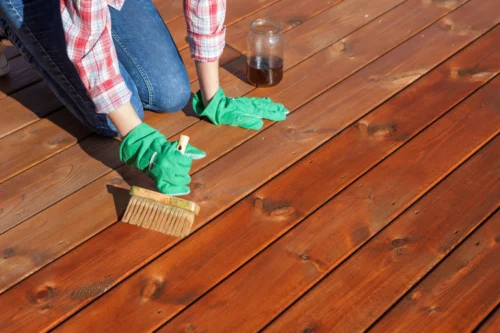
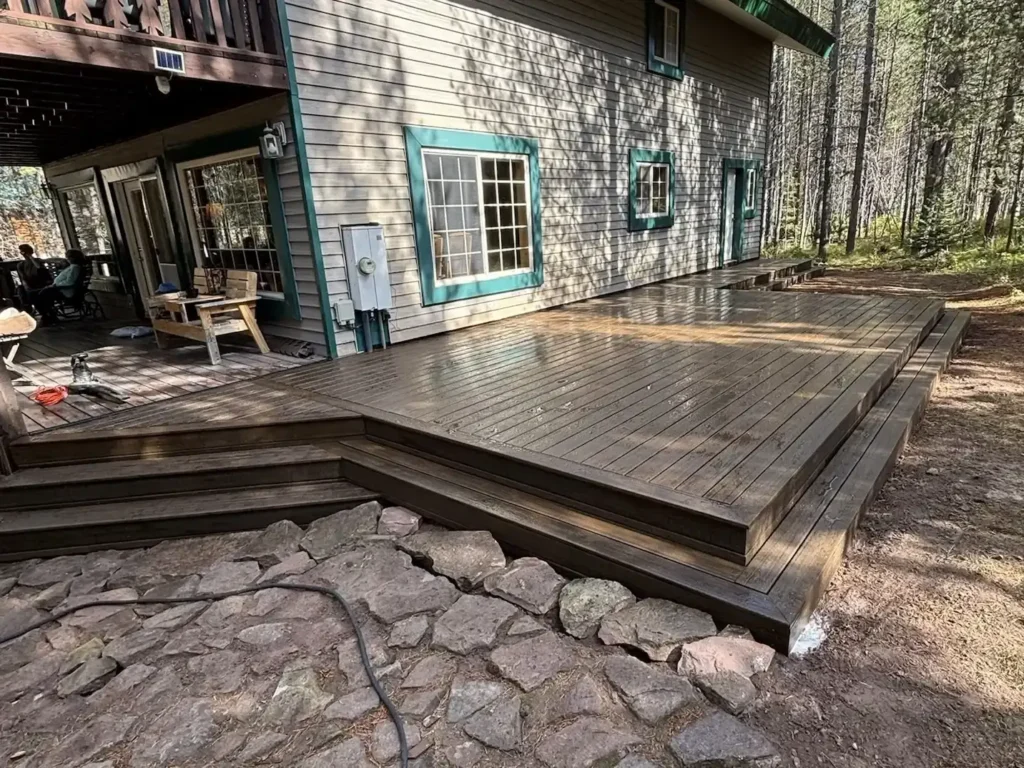
Rain, UV rays, and temperature fluctuations gradually wear down protective stains and sealants. After a storm, check whether water beads on the surface or absorbs into the wood. If water no longer beads up, it may be time to clean your deck thoroughly, reapply stain, and add a fresh protective sealant.
Maintaining a finish helps protect against moisture penetration and sun damage.
Don’t Forget Surrounding Trees
Summer storms often involve falling branches and debris. Inspect your deck and surrounding landscaping for scratches and gouges, damaged railings, broken boards, and overhanging limbs that may pose future risks.
Trimming nearby trees can reduce the likelihood of storm-related damage during future weather events.
Preventive Maintenance Tips
To help your deck withstand summer storms:
- Clean off debris regularly
- Ensure gutters and drainage systems function properly
- Trim nearby vegetation at least six inches away from the deck’s perimeter
- Inspect hardware periodically
- Reseal wood surfaces as recommended (typically every two to three years)
- Schedule annual professional inspections
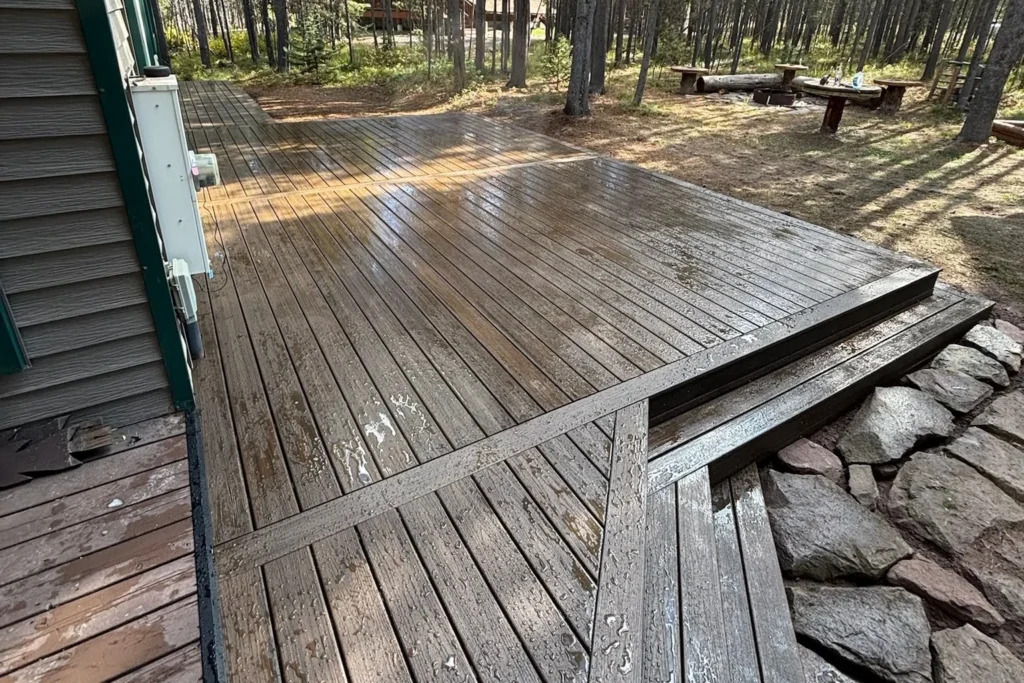
Proactive maintenance is often the most effective way to extend the life of your deck and avoid expensive repairs.
Protect Your Outdoor Investment
While you can’t avoid summer storms, you can protect your deck from damage. By inspecting your deck after severe weather and addressing minor issues as soon as possible, you can preserve its appearance, safety, and structural integrity. Whether you have a composite or wood deck, routine maintenance and timely repairs will help ensure your outdoor living area is safe and comfortable throughout the season.