Table of Contents
Your deck acts as an extension of your home, giving you a place to relax after work, entertain guests, and enjoy the outdoors. However, since it’s constantly exposed to moisture, shade, and changing weather conditions, it’s more vulnerable to mold and mildew growth, as well as wood rot. Left unchecked, these issues can lead to costly repairs and even structural damage.
Fortunately, by being proactive, you can keep your deck looking great for many years.
Understanding the Threats
Before talking about prevention, you should understand what you’re dealing with:
Mold — This fungus typically shows up as black or green patches and thrives in damp, shaded areas.
Mildew — Mildew is a type of mold that appears as gray or white powdery patches.
Wood Rot — Certain fungi can break down wood fibers, leading to soft, weakened boards.
All three feed off of moisture and organic material, which makes decks a prime target.
Keep Your Deck Clean
Regular cleaning is your first line of defense. Once a week, sweep away leaves, dirt, and debris, making sure to clean between boards where moisture can collect. Once or twice a year, wash your deck with a mild cleaner or deck-specific solution.
It’s important to keep up with deck cleaning because organic debris can trap moisture and create the perfect breeding ground for mold and mildew.
Note: You can use a pressure washer if you have a traditional wood deck, but you’ll need to stick with low pressure and a wide spray. Avoid using it on a composite deck as it can cause damage.
Ensure Proper Drainage
Standing water is one of the biggest contributors to deck damage. To prevent puddles, make sure your deck slopes slightly away from your home and check that gutters and downspouts direct water away. Regularly clear debris from between boards, so water can drain.
If you notice pools of water after rain, you may need to check your drainage again.
Improve Airflow
Good ventilation helps keep your deck dry. Trim back bushes, grass, and plants around your deck, so they are at least 12 inches away, and avoid storing items in one place for long periods. If your deck sits low to the ground, ensure you have adequate airflow underneath.
Proper ventilation and airflow are important because shady, enclosed spaces hold moisture longer and encourage mold growth.
Seal and Protect the Wood
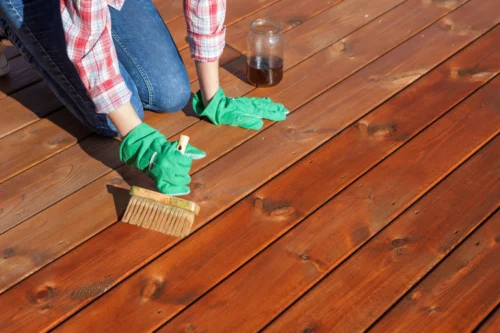
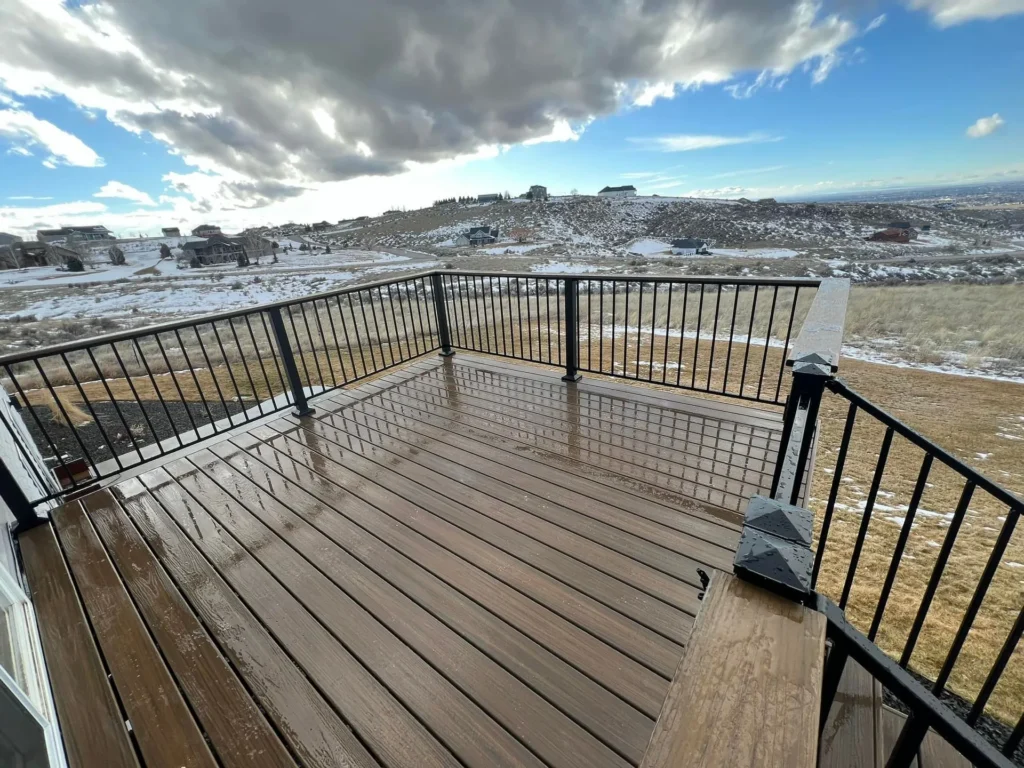
Applying a high-quality sealant or stain creates a barrier against moisture. Seal your deck every one to three years (frequency depends on your climate and usage) with a mildew-resistant product. Make sure your deck is clean and dry before applying.
Bonus: Sealants can also help protect against UV damage and fading.
Inspect Regularly for Early Signs
Catching problems early can save you thousands in repairs. Watch for discoloration or dark spots, soft or spongy wood, cracked or splintering boards, or musty odors.
Replace or repair damaged boards promptly to prevent the spread of rot.
Use Mold-Resistant Materials
If you’re building or upgrading your deck, consider using materials designed to resist moisture, such as pressure-treated lumber, composite decking, or PVC decking.
While no material is completely maintenance-free, these options resist mold and rot more than traditional untreated wood.
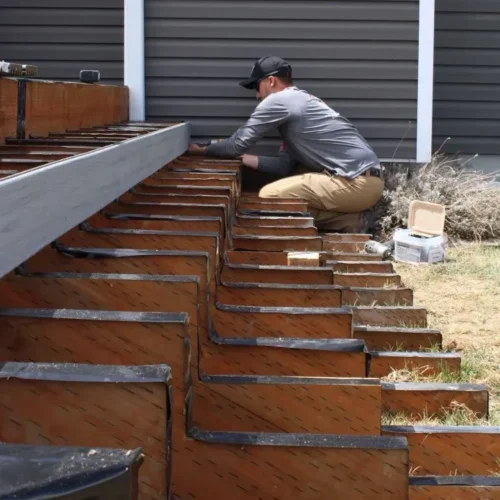
Tip: Apply joist tape to the top of joists, beams, and rim joists before laying deck boards to protect the wood from moisture damage.
Be Mindful of Furniture and Rugs
Moisture can collect underneath outdoor furniture and rugs. To keep water from getting trapped, use breathable outdoor rugs, occasionally move furniture and planters to allow the deck to dry, and avoid putting down rubber-backed mats, as these can hold moisture against the wood.
Schedule Seasonal Maintenance
Make deck care part of your seasonal home maintenance routine.
Spring — Deep clean and inspect for winter damage.
Summer — Monitor for mold during humid conditions.
Fall — Remove leaves and debris frequently
Winter — Keep snow from piling up and avoid using harsh ice-melting chemicals.
Invest in Professional Installation
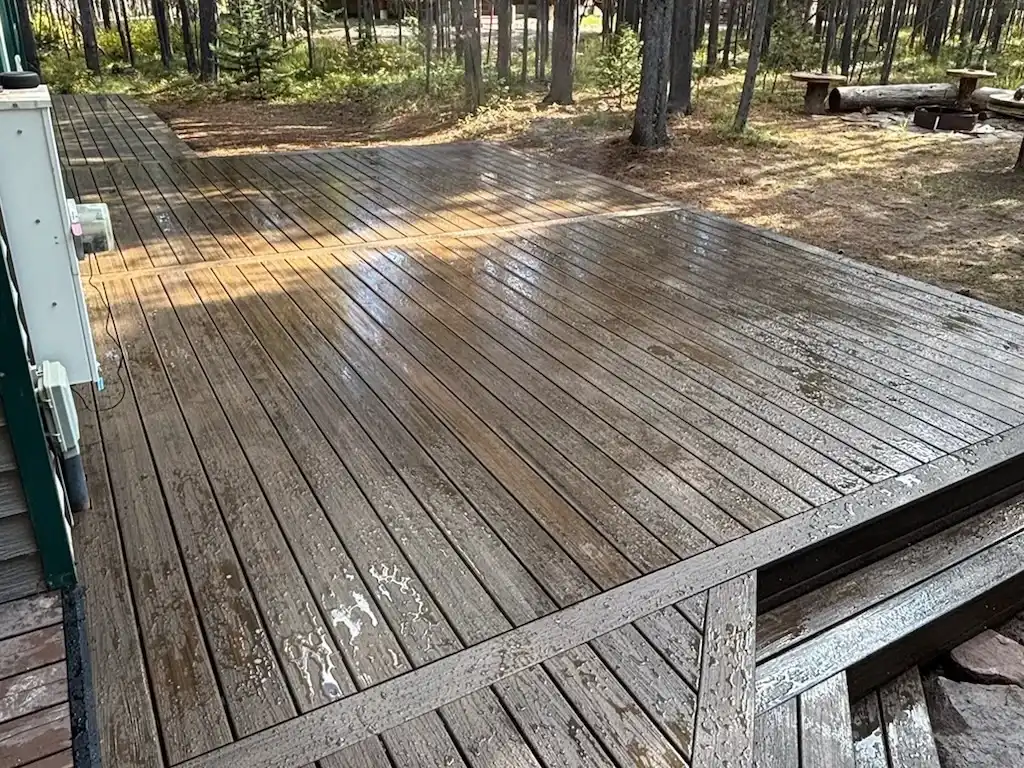
Professionals can ensure your deck has proper drainage, ventilation, and correctly spaced boards to prevent moisture collection. They can also properly construct the framing to avoid moisture traps. If your deck constantly collects moisture despite regular maintenance, the problem may be poor construction.
The Bottom Line
To prevent mold, mildew, and wood rot on your deck, you need to control moisture. By regularly cleaning, ensuring proper drainage, and applying protective treatments, you can significantly extend the life of your deck, keeping it safe and beautiful.
A little maintenance now helps you avoid major repairs later, so stay protective and enjoy your outdoor space all year long.